Proper vehicle maintenance is fundamental to maintaining good performance and longevity. This guide will provide you with detailed information on how to build sustainable maintenance habits that benefit your vehicle's overall health over the long term.
Fundamentals of Proper Vehicle Maintenance
Proper maintenance is based on following a variety of maintenance procedures that provide all the essential care your vehicle needs to function correctly. It's not about extreme measures, but about making intelligent and conscious choices about how you care for your car.
The main maintenance categories include engine care, fluid management, and routine inspections. Each plays a crucial role in your vehicle's health. Engine maintenance ensures optimal performance, fluids are essential for proper lubrication and cooling, and routine inspections help catch problems before they become expensive repairs.
Supporting systems, such as brakes, tires, and electrical components, although requiring less frequent attention, are equally important. A comprehensive maintenance schedule that includes regular oil changes, tire rotations, brake inspections, and battery checks generally provides all the necessary care.
Maintenance Schedule Planning
Maintenance scheduling is a powerful tool for maintaining a well-functioning vehicle. When you plan your maintenance in advance, you're more likely to make smart decisions and less likely to skip important services due to inconvenience or cost concerns.
Recommended Maintenance Intervals
- Check tire pressure
- Visual inspection for leaks
- Check fluid levels
- Check battery terminals
- Inspect tire tread
- Test all lights
- Check belts and hoses
- Oil change (varies by vehicle)
- Rotate tires
- Replace air filter
- Check brake pads
- Comprehensive inspection
- Replace cabin air filter
- Check suspension system
- Test battery
Dedicate time each month to review your maintenance schedule. This can be as simple as checking your vehicle's owner's manual and creating a calendar of upcoming services. Consider keeping a maintenance log that tracks when services were performed and when they're due next.
Include a variety of checks in your routine. Different systems require attention at different intervals. A practical rule is to perform quick visual inspections weekly, basic maintenance monthly, and comprehensive maintenance according to your vehicle's recommended schedule.
Proper Fluid Management
Fluid management is a crucial aspect of vehicle maintenance that is often overlooked. Fluids are essential for virtually all vehicle functions, from engine lubrication to brake system operation.
Essential Vehicle Fluids
Engine Oil
Check: Weekly
Change: 3,000-10,000 miles
Transmission Fluid
Check: Monthly
Change: 30,000-60,000 miles
Brake Fluid
Check: Monthly
Change: Every 2-3 years
Coolant
Check: Monthly
Change: Every 2-5 years
Power Steering
Check: Monthly
Change: 50,000-100,000 miles
Windshield Washer
Check: Weekly
Refill: As needed
The frequency of fluid checks can vary depending on your driving habits, climate, and vehicle age. A general guideline is to check fluid levels weekly when the engine is cold. If levels are consistently low, you may have a leak that needs attention.
In addition to engine oil, pay attention to transmission fluid, brake fluid, coolant, power steering fluid, and windshield washer fluid. Each serves a specific purpose, and maintaining proper levels and quality helps prevent costly repairs.
Professional Assistance vs. DIY Maintenance
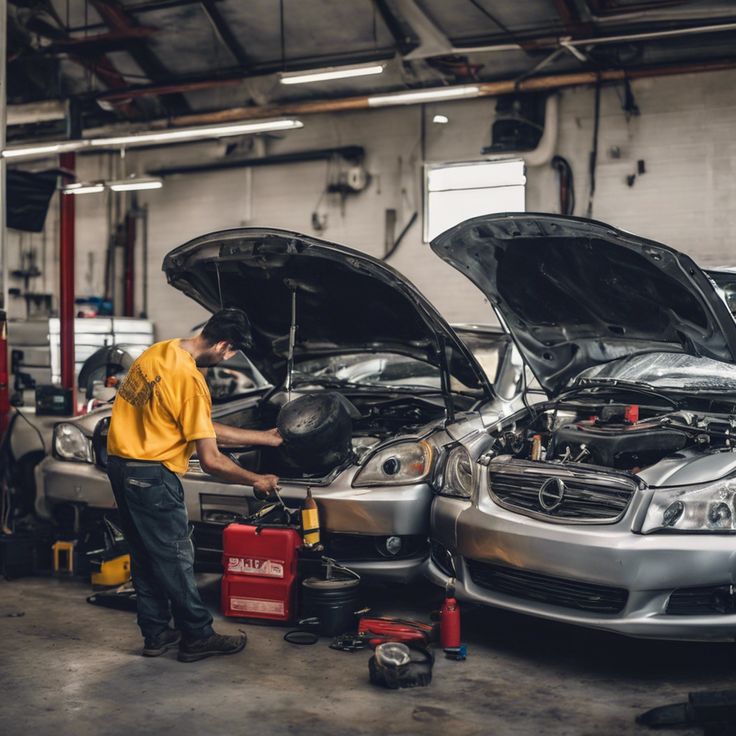
An important distinction in vehicle maintenance is between professional assistance and do-it-yourself maintenance. Professional assistance often provides expertise and specialized equipment, while DIY maintenance can save money and provide valuable learning experiences.
Prioritize professional assistance for complex systems like transmission work, engine diagnostics, and safety-critical components like brakes. These tasks require specialized knowledge and tools that are best left to trained technicians.
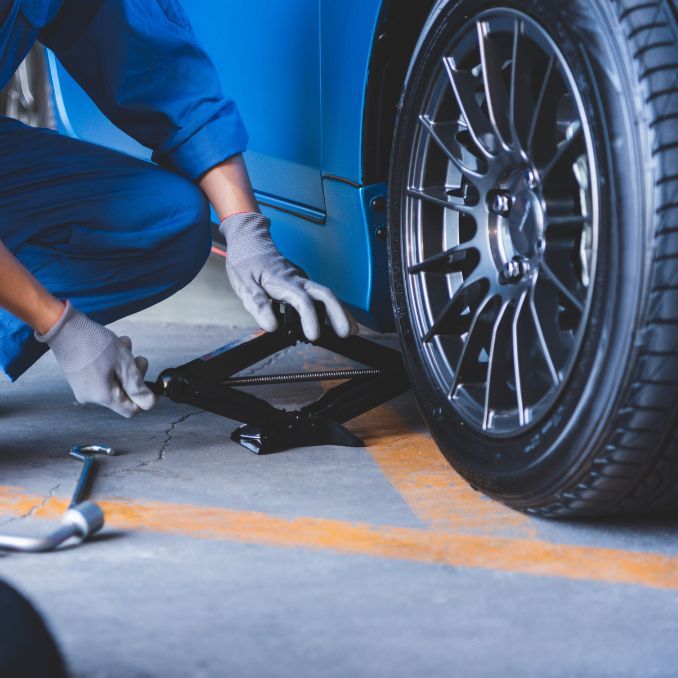
When performing DIY maintenance, read your owner's manual carefully and use appropriate tools. Pay attention to safety warnings: if the procedure involves safety-critical systems or you're uncertain about the process, it's better to seek professional help.
Monitoring and Early Problem Detection
Regular monitoring is as important as the quality of maintenance you perform. Even well-maintained vehicles can develop problems, but early detection prevents minor issues from becoming major repairs.
A useful technique is to pay attention to your vehicle's behavior. Notice changes in engine sound, unusual vibrations, dashboard warning lights, or changes in performance. This method provides early warning signs without needing constant professional inspections.
Practice attentive driving by noticing how your vehicle feels and sounds during normal operation. Take time to perform regular visual inspections, checking for leaks, unusual tire wear, or damage. This awareness helps you detect problems before they become serious.
Specific Areas to Focus On
Pay special attention to your vehicle's tires, which are crucial for safety and performance. Check tire pressure monthly and inspect for uneven wear, cracks, or embedded objects. Properly inflated and rotated tires improve fuel economy and extend tire life.
Your vehicle's battery, especially in older cars, requires regular attention. Check battery terminals for corrosion, ensure connections are tight, and have the battery tested if you notice slow engine cranking. Modern batteries typically last 3-5 years, but this varies with climate and usage.
Regular oil changes are the foundation of engine health. Follow your manufacturer's recommendations for oil type and change intervals, which typically range from 3,000 to 10,000 miles depending on your vehicle and oil type. Clean oil reduces engine wear and improves performance.
Strategies for Sustainable Maintenance
Making drastic changes to your maintenance routine overnight is rarely sustainable. Instead, focus on making small incremental improvements that you can maintain over the long term.
Start with one change at a time. For example, if you currently don't check your tire pressure regularly, commit to checking it once a month for a few months. Once this becomes a habit, add another maintenance task.
Don't punish yourself for occasional missed maintenance. Perfection isn't the goal; consistency is. If you miss a scheduled maintenance, simply get back on track with your next scheduled maintenance rather than delaying further.
Conclusion
Proper vehicle maintenance is an ongoing journey, not a final destination. It's about making conscious choices most of the time, while allowing yourself flexibility when unexpected situations arise.
Remember that each vehicle is unique, and what works for one car may not work for another. Experiment with different approaches, listen to your vehicle, and adjust your maintenance schedule according to your specific driving habits, climate, and vehicle age.
The key to sustainable maintenance is finding a balance that works for you over the long term. With patience, planning, and a gradual approach, you can develop maintenance habits that not only improve your vehicle's performance but also provide peace of mind and cost savings.