Building savings on car expenses is an essential skill that can significantly improve your financial situation and provide economic security. This guide will show you practical and sustainable strategies to reduce your automotive costs without completely sacrificing your vehicle's quality or safety.
Create a Realistic Automotive Budget
The first fundamental step to improving your car-related finances is creating a budget that reflects your actual income and automotive expenses. A well-structured budget allows you to see exactly where your money goes and identify areas where you can reduce costs.
Typical Monthly Car Expenses Breakdown
Start by tracking all your car-related expenses for a full month. This includes everything, from large expenses like payments and insurance to smaller costs like parking fees or car washes. Many people are surprised to discover how much they spend on items they don't consider important.
Divide your expenses into categories: essential needs like car payments, insurance, and fuel; important but flexible expenses like maintenance and repairs; and discretionary expenses like car accessories or premium services. This categorization helps you identify which expenses are truly necessary and which can be reduced or eliminated.
Fuel Efficiency Strategies
A popular and effective strategy for automotive cost management is focusing on fuel efficiency. Fuel costs represent a significant portion of vehicle expenses, and there are numerous ways to reduce these costs without sacrificing your mobility.
Top Fuel Saving Tips
Maintain Proper Tire Pressure
Save up to 3% on fuel costs by keeping tires properly inflated
Drive Smoothly
Avoid aggressive acceleration and braking to save 15-30% on fuel
Reduce Idling
Turn off engine when stopped for more than 30 seconds
Remove Excess Weight
Every 100 lbs reduces fuel economy by 1-2%
Use Cruise Control
Maintains constant speed, improving fuel efficiency on highways
Plan Efficient Routes
Combine errands and avoid traffic to reduce fuel consumption
The 50/30/20 rule can be adapted for automotive expenses: 50% for essential car costs (payments, insurance, basic maintenance), 30% for fuel and discretionary automotive expenses, and 20% for savings toward future car purchases or emergency repairs. This allocation helps maintain financial stability while enjoying your vehicle.
The 30% for fuel allows you to maintain a balance between using your car and managing costs. This includes regular fuel purchases, and you can optimize this by improving driving habits, maintaining proper tire pressure, and planning efficient routes.
The 20% for automotive savings is crucial for building financial security related to your vehicle. This percentage should be allocated to a car maintenance fund, savings for future vehicle purchases, and, when possible, investments that can grow over time.
Reduce Maintenance Costs
Maintenance expenses represent a significant portion of many people's automotive budgets, and there are numerous ways to reduce these costs without compromising your vehicle's reliability or safety.
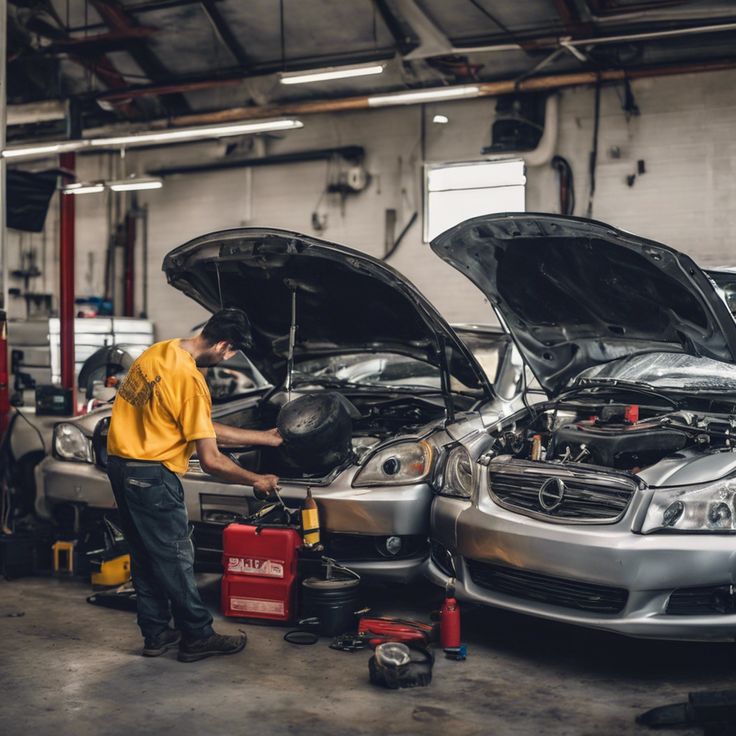
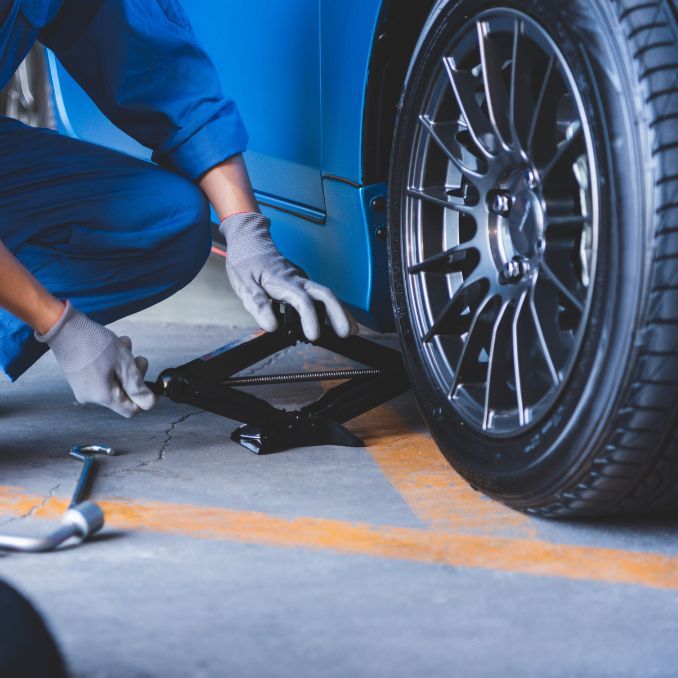
Plan your maintenance in advance and create a schedule based on your vehicle's needs. This helps you avoid emergency repairs and only pay for assistance you actually need. Additionally, performing basic maintenance yourself is generally much more economical than visiting a mechanic for every small task.
Buy quality parts and fluids in advance rather than purchasing them when needed at premium prices. Although buying parts only when needed is convenient, it's usually more expensive. Learning to perform simple maintenance tasks yourself can significantly reduce your expenses over time.
Consider buying parts from reputable online retailers or auto parts stores during sales. Seasonal maintenance items like antifreeze or air filters are often discounted at specific times of the year. You can also optimize your purchases by buying in bulk for items you use regularly, as long as you have space to store them properly.
Optimize Recurring Automotive Expenses
Many recurring automotive expenses can be optimized with a little research and negotiation. These expenses include coverage like insurance, registration, extended warranties, and maintenance contracts.
Review your insurance and maintenance contracts regularly. It's easy to accumulate coverage you no longer need or that could be consolidated. Cancel any coverage you're not actively using and consider whether you really need all the coverage you have.
Don't be afraid to negotiate with insurance providers. Many companies offer discounts or more economical plans to customers who express interest in switching providers. A phone call can result in significant reductions in your monthly or annual premiums.
Compare prices regularly. The insurance and maintenance market changes constantly, and what was the best deal a year ago may not be now. Take time every six months to review and compare options to ensure you're getting the best value for your money.
Build a Car Emergency Fund
A car emergency fund is an essential part of automotive financial health. This fund acts as a safety cushion that protects you from having to resort to high-interest debt when facing unexpected automotive expenses.
The initial goal should be to accumulate the equivalent of three months of essential car expenses. Once this goal is reached, you can work toward six months of essential car expenses for greater security. This fund should be kept in an easily accessible account but separate from your main checking account.
Treat your car emergency fund as a non-negotiable expense. Include it in your monthly budget, just as you would with any other bill. Automate transfers to your savings account so the money is set aside before you have a chance to spend it on other things.
Remember that this fund is only for real emergencies, not for wants or planned expenses. Clearly define what constitutes an emergency for you, and be strict about keeping the fund intact except in those situations.
Automated Savings Strategies
Automation is one of the most powerful tools for consistently building automotive savings. When savings happen automatically, it's easier to maintain the habit because it doesn't require a conscious decision each time.
Set up automatic transfers from your checking account to your savings account on the same date you receive your salary. This ensures you save money before you have a chance to spend it on other things. Start with a small amount if necessary, and gradually increase over time.
Consider using financial management apps that round up your purchases and transfer the difference to a savings account. These small amounts can add up significantly over time without you feeling the impact on your daily budget.
If you receive salary increases or bonuses, consider automatically allocating a portion of that additional money to your automotive savings. Since you weren't used to having that money, you won't miss it, and your savings will grow more quickly.
Avoid Costly Car Debt
High-interest car loans can be one of the biggest obstacles to building automotive savings. Minimizing and effectively managing car debt is crucial for improving your financial situation.
If you have car loans, prioritize paying off those with the highest interest rates first. Meanwhile, pay at least the minimum on all your debts to avoid late payment fees and damage to your credit history.
Avoid using credit cards for car expenses you can't pay immediately, except in real emergencies. If you need to make a large automotive purchase, consider saving money for it instead of financing it with debt.
If you have multiple car-related debts, consider strategies like the snowball method, where you pay off the smallest debt first to gain momentum, or the avalanche method, where you pay off the debt with the highest interest rate first to minimize the total cost.
Conclusion
Improving your automotive finances requires discipline, planning, and patience. It's not a process that happens overnight, but a set of habits that develop over time.
Remember that every small action counts. Even saving small amounts regularly can become significant over time thanks to the power of compound interest. What's important is to start and maintain consistency.
The key to long-term automotive financial success is finding a balance that's sustainable for your individual situation. It's not about depriving yourself completely, but about making conscious choices that allow you to build financial security while enjoying your vehicle and maintaining its reliability.